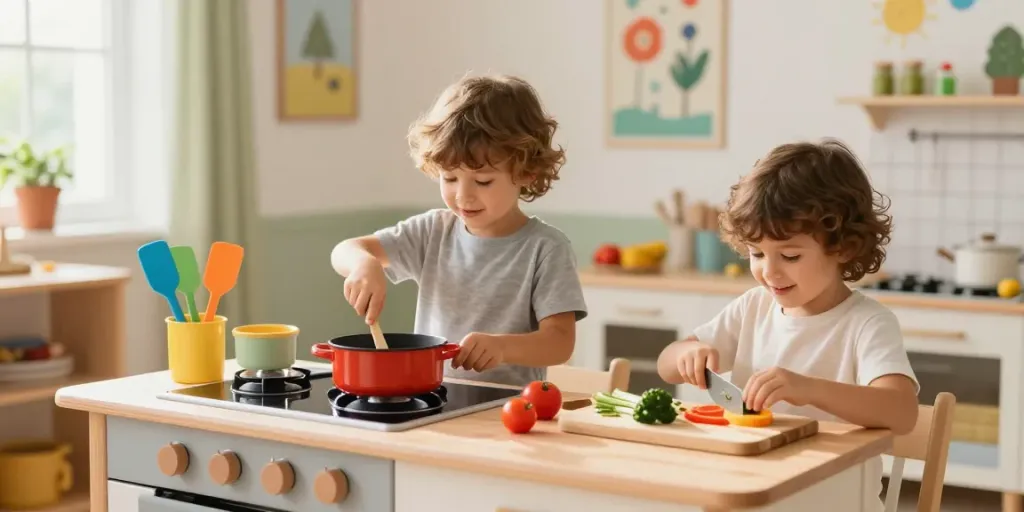
Understanding the Benefits of Kids Kitchens
The charm of a kids kitchen lies not just in its playful design but in the myriad of developmental benefits it offers. These imaginative playsets go beyond mere entertainment; they serve as an invaluable tool for fostering essential life skills and encouraging creative thinking. As children engage with their play kitchens, they navigate various aspects of role-playing, social interactions, and cognitive learning that significantly contribute to their overall development.
Why Kids Kitchens Enhance Imagination
One of the most significant advantages of kids kitchens is their ability to spark imagination. Children assume various roles as they simulate cooking, hosting dinners, or running a restaurant. This type of imaginative play is crucial, as it allows kids to explore different scenarios and express themselves creatively. For instance, when a child pretends to bake cookies or prepare a hearty meal, they are not only having fun but also building narratives and scenarios that enhance their storytelling abilities.
Social Skills Development Through Pretend Play
Engaging with a play kitchen encourages social interaction as children often play together in groups. This collaborative play teaches them vital social skills such as sharing, negotiation, and empathy. For example, a group of children deciding who will play the role of the chef or the waiter can lead to discussions about fairness and cooperation. These interactions foster teamwork and help children learn to appreciate different perspectives.
Encouraging Culinary Skills from a Young Age
Kids kitchens offer a unique opportunity for children to develop early culinary skills in a safe environment. As they imitate cooking actions, they learn about food preparation, nutrition, and the basics of kitchen safety. Many play kitchens come with food items and utensils that help children understand the relationship between cooking and nutrition. This early exposure can inspire a passion for cooking and healthy eating habits as they grow older.
Choosing the Right Kids Kitchen Set
Selecting the perfect kids kitchen set requires careful consideration of several factors. The right set can enhance the play experience and ensure it meets the developmental needs of your child.
Factors to Consider When Selecting a Play Kitchen
- Age Appropriateness: Choose a kitchen that suits your child's age and developmental stage. Some sets are designed for specific age groups, ensuring safety and maximise play value.
- Size and Space: Consider the available space in your home. Opt for a kitchen that fits comfortably in your designated play area without overwhelming it.
- Theme and Design: Look for kitchens that resonate with your child's interests, whether it's a classic wooden design or a modern styled set.
Top Features to Look For in Kids Kitchen Sets
The effectiveness of a kids kitchen set lies in its features. Essential features to consider include:
- Realistic Elements: Look for features like working knobs, realistic appliances, and included accessories that mimic real-life cooking tools.
- Interactive Components: Some kitchens include lights and sounds that enhance the play experience and make it more engaging.
- Storage Space: Adequate storage for play food and utensils can help keep the play area tidy and encourage organizational skills.
Material Options: Wood vs. Plastic
Choosing between wooden and plastic kids kitchen sets can be a tough decision. Wood offers durability and a classic aesthetic, often appealing to those looking for a timeless piece that can withstand years of play. On the other hand, plastic kitchens are typically lighter, easier to clean, and more affordable. Consider your child's play style and your preference for longevity when making this choice.
Safety Considerations for Kids Kitchens
Safety is paramount when selecting a kids kitchen. Ensuring that the set is designed with child safety in mind can prevent injuries and provide peace of mind for parents.
Age-appropriate Designs and Features
When choosing a play kitchen, select one that is age-appropriate. Toys designed for older children may have small parts that could pose choking hazards for younger kids. Always check manufacturer guidelines to ensure the kitchen set suits your child's age group.
Non-toxic Materials: What to Look For
Opt for kitchen sets made from non-toxic materials, especially if your child enjoys pretending to cook and play with food items. Look for certifications or labels indicating that toys are free from harmful chemicals, ensuring a safe play environment.
Setting Up a Safe Play Environment
Creating a safe play environment goes beyond choosing the right kitchen set. Ensure the area is free from hazards and that your child understands the importance of safe play. Encouraging rules about how to play responsibly can foster a sense of care and safety in their interactions with toys.
Enhancing the Play Experience with Accessories
Accessories can significantly enhance the play experience by providing more opportunities for imaginative scenarios and learning.
Must-Have Accessories for Kids Kitchens
- Utensils and Cookware: Essential tools such as pots, pans, and utensils are vital for any kids kitchen, as they allow children to mimic real cooking actions.
- Play Food: A variety of play food items, including fruits, vegetables, and prepared meals, will promote imaginative cooking and help teach about nutrition.
- Themed Costumes: Dress-up items like chef hats and aprons can add an extra layer of fun and realism to the play experience.
Cooking Play Food and Their Educational Value
Engaging with play food not only enhances imaginative play but also provides educational benefits, teaching children about different food groups, cooking processes, and even the importance of hygiene in food preparation. By role-playing meals, children can grasp the concept of balanced diets and nutrition while having fun.
Creating a Themed Cooking Scenario
Encouraging children to create themed cooking scenarios can deepen their engagement. Whether they want to set up a 'restaurant night' or a 'baking day,' these themes add structure to their play, making it more meaningful and enjoyable. This kind of imaginative play helps them relate to real-life situations, further enriching their learning experiences.
Future Trends in Kids Kitchens for 2026
As technology and sustainability trends evolve, so too will the design and functionality of kids kitchens. Here are some future trends to look out for in 2026.
Innovative Designs and Smart Technology
Future kids kitchens are likely to integrate smart technology, allowing children to interact with their playsets through apps or voice commands. This could include features such as cooking timers, interactive recipes, and even educational games that encourage learning while playing.
Environmental Considerations in Toy Manufacturing
As awareness of environmental issues grows, manufacturers are expected to focus more on sustainable materials and production processes. Parents will likely seek kids kitchens made from recycled or eco-friendly materials, aligning their purchasing decisions with their values.
The Rise of Interactive Cooking Experiences
With an increasing emphasis on STEM education, we can expect to see play kitchens that incorporate science, technology, engineering, and math into cooking. This could mean kits that allow children to explore the chemistry of baking or the engineering behind kitchen gadgets.
What Accessories Should I Get for a Kids Kitchen?
When selecting accessories, focus on a mix that encourages creativity and learning. Prioritise utensils, an array of play food, and maybe even themed costumes to make your child's kitchen experience more engaging.
How Much Should I Expect to Spend on a Kids Kitchen?
The price of a kids kitchen can vary widely based on size, materials, and features. You can find basic plastic kitchens starting at around £50, while high-quality wooden kitchens with interactive elements may cost upwards of £200. Set a budget that reflects both your needs and the playing longevity you expect.
What Age is Appropriate for Kids Kitchens?
Most kids kitchens are designed for children aged between 2 to 8 years. However, some brands offer sets that cater specifically to toddlers or older kids, ensuring that the play experience is both safe and exciting. Always check the manufacturer's recommendations.
Are There DIY Options for Kids Kitchens?
Yes, DIY options for creating kids kitchens are growing in popularity. Parents can repurpose furniture or use cardboard boxes to build custom kitchens that reflect their child’s preferences, offering a personal touch and a fun family project.
How Do Kids Kitchens Aid in Learning Life Skills?
Through role-playing with kids kitchens, children can acquire essential life skills. They learn about responsibility, time management when 'cooking', and even basic math skills through measuring ingredients. These experiences can significantly aid their personal development beyond just play.